

Building a Custom Home in Newnan, GA: How to Choose the Right Lot, Builder, and Architectural Design
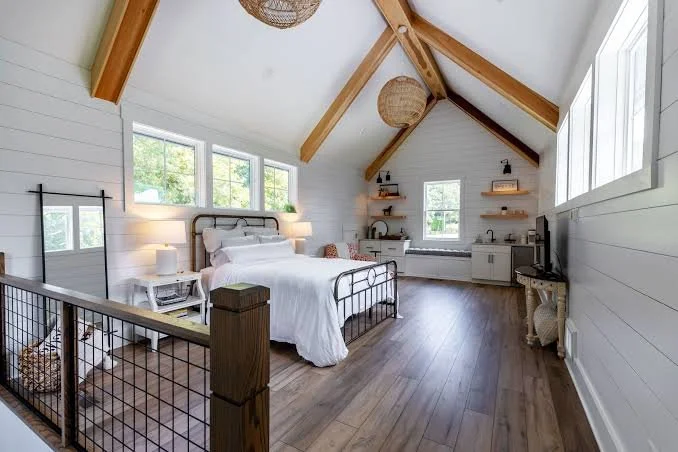
What if you could choose the layout, finishes, outdoor living space, kitchen design, and architectural style of your next home instead of trying to make someone else's house fit your lifestyle?
For buyers exploring building a custom home in Newnan GA, that is one of the biggest attractions of new construction. You can design a home around the way your family lives, whether that means a spacious kitchen, a dedicated home office, a three-car garage, a covered outdoor entertaining area, or a private homesite with room to spread out.
Newnan and the surrounding Coweta County area offer a variety of possibilities, from established neighborhoods and planned communities to larger parcels of land where buyers may have more flexibility over the home's design.
However, building a custom home involves more than finding a beautiful piece of land and hiring a contractor. The lot must be suitable for construction, the proposed home must comply with applicable regulations, and the builder must be able to deliver the project within an agreed-upon budget and timeline.
Before purchasing land or committing to a construction contract, it is important to understand three major decisions:
Choosing the right lot: Is the property buildable, accessible, and appropriate for your plans?
Choosing the right builder: Does the contractor have the qualifications, experience, and communication skills to manage your project?
Understanding architectural guidelines: Will your home meet local zoning requirements, subdivision covenants, and any applicable design standards?
Let's explore what future homeowners should know before building a custom home in Newnan.
1. Start by Choosing the Right Lot in Newnan or Coweta County
The lot you select will influence nearly every aspect of your construction project.
A beautiful property may offer privacy, mature trees, scenic views, or plenty of space for outdoor living. But if the land has challenging drainage, limited access, restrictive covenants, or unsuitable soil, it could become more expensive to build on than you initially expected.
When searching for Newnan GA land for sale, evaluate the property's buildability before getting attached to the location.
Understand whether the property is inside Newnan city limits
One of the first steps is confirming the property's jurisdiction.
A Newnan mailing address does not necessarily mean a property is inside the City of Newnan. Land may fall within city limits or under Coweta County jurisdiction, and that distinction can affect zoning, permitting, development standards, and the department responsible for reviewing your plans.
The City of Newnan publishes its zoning ordinance and related documents, including rules covering land use, lot and building requirements, design, and environmental considerations.
Coweta County maintains its own zoning and development resources, including dimensional requirements and development regulations.
Before purchasing a lot, confirm which local authority governs it and which rules apply to your proposed home. Do not assume that requirements for one property automatically apply to another nearby parcel.
Check the zoning and permitted uses
Zoning helps determine whether a proposed residential use is allowed and what requirements may apply to the property.
Depending on the zoning district, regulations may address:
Minimum lot dimensions
Building setbacks
Permitted residential uses
Maximum building height
Lot coverage and impervious surfaces
Road frontage and access
Density and open-space requirements
Environmental or overlay restrictions
For example, Coweta County's dimensional requirements vary by zoning district and may include different lot-size, setback, and building-site standards. Some rural properties also require proof that an adequate area is available for a conventional septic system.
Review the applicable rules before assuming that a large parcel can accommodate your preferred home, driveway, pool, detached garage, or accessory building.
If the home you want does not fit the existing regulations, a variance or other approval may be necessary. Such approvals are not guaranteed.
Investigate soil, septic, drainage, and utilities
A lot that looks perfect from the road may have hidden construction challenges.
Before closing, ask the appropriate professionals to investigate:
Soil conditions: Can the ground support the proposed foundation and construction?
Septic suitability: If public sewer is unavailable, can the property support an approved onsite wastewater system?
Water availability: Is public water available, or would a private well be needed?
Electricity and internet: What services are available, and what will it cost to connect them?
Drainage: Where will stormwater flow, and could the house or driveway create drainage problems?
Topography: Will the property require extensive grading, retaining walls, or specialized foundation work?
Easements: Are utilities, access rights, or other recorded restrictions limiting where you can build?
Flood risk: Is any portion of the property in a mapped flood hazard area or affected by streams and protected buffers?
For a rural parcel, septic feasibility can be especially important. A large acreage property does not automatically provide a suitable location for a septic system and a house.
Depending on the property, your due diligence may include a boundary survey, topographic survey, soil evaluation, septic feasibility assessment, utility confirmation, and review of floodplain information.
These checks can reveal potential costs before you become legally committed to the purchase.
2. Decide What Kind of Newnan Homesite Fits Your Lifestyle
There is no single best lot for every buyer. Your ideal homesite depends on how you want to live and how much responsibility you want to take on during construction.
Building in an established neighborhood
An established subdivision may offer paved streets, existing utilities, nearby amenities, and a defined neighborhood character.
However, the property may be subject to HOA covenants, architectural review, minimum home-size requirements, exterior material restrictions, landscaping rules, and limitations on detached structures.
Before buying a lot, obtain the governing documents and determine whether your preferred design is permitted.
Building in a planned community
Some buyers prefer a planned community because it may offer shared amenities, maintained common areas, and a more consistent architectural appearance.
The trade-off is that design flexibility may be more limited.
The association may regulate exterior colors, roofing materials, fencing, garages, landscaping, construction hours, and the approval process for new homes.
Review the actual documents for the specific community rather than assuming all Newnan-area HOAs have the same rules.
Building on acreage
For buyers who want privacy, outdoor recreation, gardens, workshops, or additional room between neighboring homes, acreage outside a traditional subdivision may be appealing.
But rural land can require more planning. You may need to investigate private-road access, driveway construction, septic systems, wells, utility extensions, grading, and ongoing property maintenance.
Also, check whether any deed restrictions or conservation easements apply. Owning several acres does not necessarily mean you can build anything you want anywhere on the property.
Building a luxury custom home
Buyers considering Newnan GA luxury homes may want features such as expansive windows, high ceilings, outdoor kitchens, swimming pools, guest suites, home theaters, or specialty garages.
These features should be considered when selecting the lot, not after the design is complete.
For example, a steeply sloped property may complicate a large outdoor living area or pool installation. A narrow lot may limit the width of the house or garage. A restrictive HOA may limit the exterior materials or overall architectural style.
The most successful projects match the homesite to the intended home from the beginning.
3. Choose a Custom Home Builder Carefully
Finding the right lot is only part of the process. Your builder will play a major role in the home's quality, schedule, budget, and overall construction experience.
When comparing custom home builders in Newnan GA, look beyond a polished website or attractive model home.
You want a builder who understands your design goals, explains the construction process clearly, provides detailed documentation, and has experience managing projects similar to yours.
Verify the builder's license and credentials
Georgia requires residential and general contractors performing covered contracting services for compensation to hold the appropriate state license, subject to applicable exemptions.
The Georgia Secretary of State provides information about licensing through its Residential and Commercial General Contractors resources.
Verify the contractor's current license status and confirm that the license classification is appropriate for the work being performed.
You should also ask for evidence of relevant insurance, including liability coverage and workers' compensation where required. Have the builder explain which parties will be responsible for subcontractors, permits, inspections, and site safety.
Review the builder's experience
Ask potential builders for examples of completed homes that are comparable to your proposed project.
Consider:
Have they built homes of similar size and complexity?
Are they experienced with your preferred architectural style?
Can they work with your architect or designer?
Have they managed projects on similar lots?
Do they understand local permitting requirements?
Can they provide references from recent clients?
Are they comfortable explaining how allowances, upgrades, and change orders work?
If possible, visit completed projects and speak directly with previous clients about communication, workmanship, budget changes, and how the builder handled unexpected issues.
Compare proposals carefully
A low initial estimate does not always represent the lowest final cost.
One builder's proposal may include extensive site preparation, landscaping, upgraded finishes, and a more comprehensive specification list. Another may exclude those items or use smaller allowances.
Compare proposals line by line.
Ask each builder to identify:
Included construction materials and finishes
Site preparation and grading
Foundation assumptions
Utility connections
Driveway and landscaping work
Permit and inspection responsibilities
Allowances for cabinets, lighting, flooring, and fixtures
Potential exclusions
Change-order procedures
Payment milestones
Warranty terms
A detailed proposal helps you compare what you are actually buying instead of comparing two headline prices that cover different scopes of work.
4. Understand the Custom Home Construction Contract
Before signing a construction agreement, make sure you understand the financial and legal terms.
The contract should clearly explain the scope of work, plans and specifications, payment schedule, construction milestones, allowances, change-order procedures, dispute resolution, and responsibilities if delays occur.
It should also address how the builder will handle unexpected conditions, such as unsuitable soil, hidden underground obstructions, or utility complications.
Pay special attention to allowances
An allowance is a budget amount assigned to an item that has not been fully selected or priced at the time the contract is signed.
For example, a contract may include allowances for flooring, lighting, appliances, or bathroom fixtures.
If the actual selections exceed those amounts, you may have to pay the difference. If the allowance is generous, it could make the initial estimate look higher than a competing bid.
Ask what each allowance includes, whether installation is covered, and how overages are calculated.
Get change orders in writing
During construction, you may decide to change a finish, move a wall, add cabinetry, or upgrade an appliance.
Before approving a change, obtain written confirmation of the additional cost, any schedule impact, and the revised scope of work.
Small changes can add up quickly. Keeping an organized record helps protect your budget and reduces misunderstandings.
Ask about warranties and final inspections
Understand what workmanship and systems warranties the builder provides, how warranty claims are submitted, and what happens if a defect is discovered after closing or move-in.
Before final payment, make sure required inspections and approvals have been completed and that you receive the documentation relevant to the completed home.
An independent home inspection can also provide another layer of information, subject to the terms of your contract and the construction stage.
5. Understand Newnan's Zoning and Architectural Guidelines
One of the most important steps in building a custom home in Newnan GA is understanding the difference between local regulations and private neighborhood restrictions.
These are separate layers of requirements, and your home may need to satisfy both.
Local zoning and design rules
The City of Newnan publishes multiple sections of its zoning ordinance. These cover land use, restrictions, lots and buildings, design, master-planned development, parking, environmental requirements, and administrative procedures.
You can review the official City of Newnan zoning ordinance to understand the framework that may apply to a property within city jurisdiction.
The city also maintains applications and permits, including site-development plan, subdivision or plat review, zoning verification, and other development-related applications.
Depending on the location and project, additional approvals may be needed before a building permit can be issued.
HOA covenants and architectural review
A subdivision or planned community may have its own architectural guidelines in addition to government requirements.
These private rules can regulate:
Exterior materials and colors
Roof types and pitches
Minimum heated square footage
Garage placement and design
Front elevations
Fencing and retaining walls
Landscaping and tree removal
Pools, sheds, and detached structures
Driveway appearance
Construction hours and site cleanliness
Some associations require architectural committee approval before construction begins.
Do not assume that receiving a building permit means your design has also received HOA approval—or that HOA approval replaces government permits. Both processes may apply.
Historic or special design considerations
Certain properties may be subject to additional design review because of their location, zoning designation, or applicable overlay requirements.
If you are considering a homesite near a historic area or within a designated overlay, verify whether special exterior design or development standards apply.
Your architect and builder should understand these restrictions before the plans are finalized.
6. Know Which Building Permits You May Need
Building a custom home requires coordination between design, zoning, construction, and inspections.
The exact approvals depend on the property location, project scope, and applicable rules.
The City of Newnan's Building Permits page includes a new residential permit checklist and application, as well as separate forms for site preparation, land disturbance, mechanical, electrical, plumbing, and other work.
The city's Building Department explains that it reviews plans and administers applicable building, housing, plumbing, electrical, health, and zoning codes.
For properties under county jurisdiction, consult Coweta County Building Permits and Inspections and the county's development services resources.
Before construction begins, ask the responsible department and your builder to confirm which applications, inspections, utility approvals, and supporting documents are required for your specific property.
Budget for fees and site-related expenses
Permit fees are only one part of the overall budget.
Depending on the lot and project, you may need to account for:
Surveying and engineering
Architectural and structural plans
Soil and septic evaluations
Land clearing and grading
Erosion and sediment control
Utility connections or extensions
Driveway installation
Drainage improvements
Permit and inspection fees
Landscaping and final site work
The City of Newnan's applications page currently lists a residential development impact fee of $1,110.81 per house. This is a published city fee, not a complete estimate of the permitting or development costs for a custom home. Confirm the current amount and applicability with the city before including it in your budget.
7. Design a Home That Fits Your Lot and Your Future
Once you have identified a suitable property and established your budget, you can begin developing a design.
This is where custom construction becomes exciting—but it is also where careful planning can prevent costly revisions.
Start by listing your priorities.
Do you need a first-floor primary suite? Will you work from home? Do you want a large pantry, a mudroom, or a flexible room for future guests? Is outdoor entertaining important? Do you expect your household's needs to change over the next ten or fifteen years?
Separate must-have features from upgrades that would be nice to have.
Consider the home's orientation
The direction your home faces can influence natural light, privacy, outdoor comfort, and energy use.
Your architect should consider the sun's path, the property's topography, views, neighboring homes, driveway access, and opportunities to preserve existing trees.
On some lots, positioning the home slightly differently may improve the layout or reduce grading requirements.
Plan for energy efficiency and maintenance
Energy-efficient windows, appropriate insulation, efficient heating and cooling systems, air sealing, and thoughtful building orientation can improve comfort and help manage ongoing utility expenses.
Also think about maintenance when choosing materials and finishes. A beautiful exterior should work with your lifestyle, climate, and willingness to maintain it.
Design for resale as well as personal preference
Custom homes should reflect the owner's tastes, but overly specialized features can narrow the pool of future buyers.
Consider a balanced approach: invest in functional floor plans, quality construction, storage, natural light, and attractive kitchens and bathrooms, while keeping highly personalized design choices proportionate to your budget.
A well-planned home can meet your current needs while remaining appealing to a broader range of buyers later.
8. Build a Realistic Budget Before Construction Starts
A custom home budget should include more than the builder's base construction price.
One of the most common planning mistakes is spending too much on the house itself and leaving too little for site work, landscaping, furnishings, and unexpected expenses.
Your overall project budget may include:
Budget categoryWhat to considerLand purchasePurchase price, closing costs, surveys, and due diligenceDesign and engineeringArchitect, structural engineer, civil engineering, and other consultantsSite preparationClearing, grading, excavation, drainage, and foundation preparationUtilitiesWater, sewer or septic, electricity, internet, and connectionsConstructionLabor, materials, builder fees, and specified finishesPermits and approvalsApplicable permit, review, inspection, and impact feesExterior completionDriveway, landscaping, fencing, decks, patios, and outdoor featuresFinancing and carrying costsConstruction-loan expenses, interest, insurance, and temporary housing if neededContingencyFunds reserved for unforeseen conditions and approved changes
The amounts will vary significantly based on the lot, home size, design complexity, materials, and contractor.
Ask your builder and lender how they recommend structuring the budget and contingency. Avoid committing your entire available budget before you know what site preparation and essential construction work will cost.
9. What Is the Typical Timeline for a Custom Home?
There is no single timeline that applies to every custom home in Newnan.
The process may involve land due diligence, architectural design, engineering, HOA review, local approvals, financing, site preparation, construction, inspections, and final completion.
A straightforward lot with available utilities and an uncomplicated design may move through the process differently from a rural property requiring septic approval, extensive grading, or utility extensions.
Delays can result from design revisions, approval requirements, weather, material availability, contractor scheduling, and unexpected site conditions.
Ask the builder to provide a realistic project schedule with key milestones. Clarify which activities must be completed before the next phase can begin and how schedule changes will be communicated.
Do not make a move-out or sale decision based on an optimistic completion date alone. If you are selling your current home while building, discuss a practical transition plan with your real estate professional and lender.
10. How a Local Real Estate Agent Can Help With Custom Construction
You might wonder whether you need a real estate agent if you are building instead of buying an existing house.
A knowledgeable local agent can be valuable, particularly when the project starts with purchasing land.
An experienced Newnan GA real estate agent can help you identify potential homesites, compare neighborhoods, evaluate nearby sales, and investigate property-specific questions before you commit.
Your agent may also help you consider:
Whether the lot's asking price aligns with comparable properties
How the location fits your commute and lifestyle
Nearby development and neighborhood characteristics
HOA fees and restrictions
Potential resale appeal
The differences between city and county locations
How a custom home may compare with buying an existing property or a builder's inventory home
Your agent is not a substitute for a surveyor, engineer, attorney, architect, builder, or local permitting official. Instead, the agent can help coordinate your real estate decisions and identify questions that need professional verification.
This is especially useful when you are purchasing land that has not yet been developed for residential construction.
Your Custom Home Checklist for Newnan, GA
Before closing on land or signing a construction contract, work through these essential steps:
Confirm whether the property is within Newnan city limits or Coweta County jurisdiction.
Verify zoning, setbacks, permitted uses, and any overlay requirements.
Review the survey, easements, deed restrictions, and title information.
Investigate soil conditions, septic feasibility, drainage, and flood risk where applicable.
Confirm water, sewer, power, internet, and access arrangements.
Obtain and review HOA covenants and architectural guidelines.
Compare qualified builders using detailed, written proposals.
Review the construction contract, allowances, exclusions, payment schedule, and warranties.
Confirm required plans, permits, approvals, and inspections.
Establish a realistic total budget, contingency, and construction schedule.
Plan for final inspections, documentation, and move-in.
Taking these steps early can help you avoid preventable surprises and make more informed decisions throughout the building process.
Final Thoughts: Build Your Dream Home With the Right Plan
Building a custom home in Newnan, Georgia, gives you the opportunity to create a property that reflects your lifestyle, priorities, and long-term goals.
But the best results start long before construction begins.
Choosing the right lot, understanding zoning and architectural restrictions, verifying site conditions, hiring a qualified builder, and establishing a realistic budget can make the difference between a smooth project and an expensive learning experience.
Whether you are looking for Newnan GA land for sale, planning a luxury custom home, exploring acreage in Coweta County, or comparing new construction with existing homes, doing your homework before you buy is essential.
If you are considering building, buying land, purchasing a newly constructed home, or selling your current property to make room for your next chapter, the Tim Stout Group with eXp Realty can help you navigate the Newnan and surrounding-area real estate market.
Contact Tim Stout Group to discuss your goals, explore available properties, and take the next step with a local real estate team that understands the importance of making the right move.
Let’s help you make the right move—fast, profitable, and stress-free—in Newnan, GA real estate.
Posted by Tim Stout — Top producing Realtor & Real Estate Investor in Newnan. I help families buy, sell, and navigate real estate with ease. Tim@mybrokerage.com
