

Navigating Closing Costs in Coweta County, GA: A Step-by-Step Guide for Home Buyers
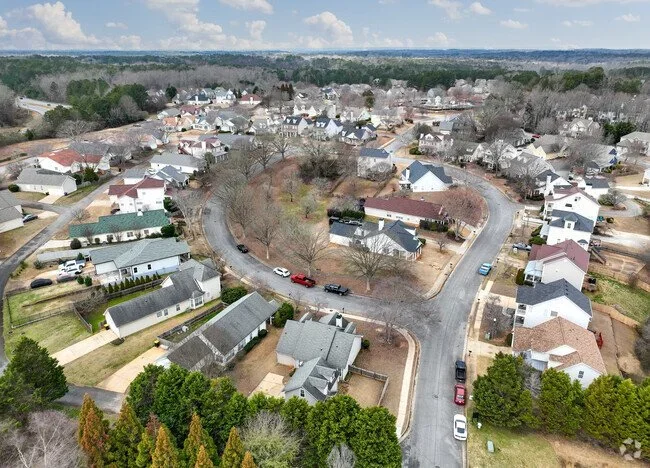
Buying a home is an exciting milestone. Whether you're searching for your first house, upgrading to a larger property, relocating to Coweta County, or exploring Newnan GA homes for sale as a long-term investment, it's important to plan for more than the down payment.
One of the most common surprises for home buyers is closing costs.
Closing costs are the expenses associated with completing a real estate transaction and obtaining a mortgage. Depending on your loan, purchase price, contract terms, and the property itself, these costs may include lender fees, attorney fees, title services, appraisal charges, recording fees, prepaid homeowners insurance, property tax adjustments, and mortgage-related taxes.
In Coweta County, buyers also need to understand Georgia-specific rules, including the state's intangible recording tax on qualifying mortgage debt and the real estate transfer tax associated with transferring property ownership.
The good news? With preparation, you can estimate your expenses, ask the right questions, and avoid last-minute financial stress.
This guide explains how closing costs work in Coweta County, GA, what Newnan home buyers should budget for, how to review your closing paperwork, and what steps you can take to prepare for a smooth closing.
Important note: Closing costs vary by transaction. The examples in this article are educational estimates, not a quote for a specific property or loan. Ask your lender and closing attorney for an itemized estimate based on your actual purchase.
1. What Are Closing Costs When Buying a Home?
Closing costs are the charges and prepaid expenses required to complete your home purchase. They are separate from your down payment, although both contribute to the total amount of cash you may need at closing.
For example, imagine you're buying a home in Newnan for $350,000. Your down payment might be 5% of the purchase price, or $17,500. You may also need additional funds for lender charges, title-related expenses, prepaid insurance, taxes, and other closing items.
Your total cash needed could therefore be significantly more than your down payment alone.
As a general budgeting rule, buyers often use approximately 2% to 5% of the purchase price as an initial closing-cost estimate. This is only a starting point, not a Coweta County fee schedule or guarantee. Some transactions may fall outside that range, particularly when loan costs, prepaid items, discount points, assistance programs, or negotiated credits change the total.
The most accurate estimate comes from your lender's Loan Estimate and the final figures prepared for your transaction.
For a useful overview of the Georgia closing process, review the Georgia Attorney General's Consumer Protection Division closing guide.
2. What Closing Costs Do Coweta County Home Buyers Pay?
Not every buyer pays every fee, and some expenses can be negotiated in the purchase agreement. Here are the main categories to understand when buying a home in Newnan or elsewhere in Coweta County.
Mortgage lender fees
If you're financing your purchase, your lender may charge fees associated with processing, underwriting, and preparing your mortgage.
Depending on the lender and loan program, these may include:
Loan origination or processing charges
Underwriting fees
Credit report fees
Appraisal fees
Flood certification or tax-service charges
Discount points, if you choose to pay them to obtain a different interest rate
Ask your lender which fees are required, which are optional, and whether any can be reduced. Comparing Loan Estimates from different lenders can help you understand both the upfront costs and the long-term cost of borrowing.
Closing attorney and title services
Georgia residential real estate transactions commonly use a closing attorney to coordinate important parts of the closing process, including documents, title work, and the transfer of funds.
Potential charges include attorney fees, title examination, title insurance premiums, and other settlement services.
Ask for an itemized estimate rather than relying on one combined number. The amount can depend on the transaction, the services provided, the title insurer, and the terms of your purchase agreement.
You should also clarify which title insurance policies are being purchased and who is paying for each one. An owner's title insurance policy and a lender's title insurance policy serve different purposes.
Recording fees
Certain legal documents must be recorded with the appropriate public office. Recording charges can include fees for recording a deed or mortgage-related security instrument.
The Coweta County Clerk of Court provides information about its real estate recording services and applicable fees. Your closing attorney can confirm the current charges for the specific documents involved in your purchase.
Home inspection and other due diligence expenses
A home inspection is usually arranged during the due diligence period rather than being a fee charged at the closing table. However, it belongs in your overall home-buying budget.
Depending on the property and your concerns, you might also pay for:
Pest or wood-destroying organism inspections
Sewer or septic evaluations
Well-water testing
Additional structural or specialist inspections
A survey, if needed
Other property-specific evaluations
These expenses can be especially relevant when buying an older home, a property with acreage, or a house outside the more developed parts of Newnan.
Prepaid expenses and escrow deposits
Prepaid expenses are costs paid in advance, while escrow deposits may be collected to establish an account for future property taxes and homeowners insurance.
Items may include:
The initial homeowners insurance premium
Prepaid mortgage interest
Initial property tax escrow deposits
Insurance escrow deposits
Property tax adjustments between buyer and seller
These charges can make your closing costs seem higher even though they do not all represent lender or attorney service fees.
3. Georgia-Specific Taxes Every Home Buyer Should Understand
Georgia has two important real estate-related taxes that deserve special attention: the intangible recording tax on qualifying mortgage debt and the real estate transfer tax.
Georgia intangible recording tax
When you take out a qualifying long-term loan secured by real estate in Georgia, an intangible recording tax generally applies to the secured debt.
The Georgia regulation sets the rate at $1.50 for each $500, or fraction thereof, of the applicable secured note amount, subject to the relevant rules and exemptions. That is equivalent to 0.3% of the applicable loan amount when calculated in $500 increments.
For example, on a hypothetical mortgage of $332,500:
Loan amount: $332,500
Tax calculation: $332,500 ÷ $500 = 665 increments
Estimated intangible recording tax: 665 × $1.50 = $997.50
This is an illustrative calculation, not a final tax quote. The closing attorney should confirm the applicable amount and any relevant exemptions or special rules.
The tax is based on qualifying secured debt, not simply the home's purchase price. A buyer with a larger down payment may have a smaller mortgage balance and therefore a different tax amount.
See the Georgia intangible recording tax regulation for the governing rules.
Georgia real estate transfer tax
Georgia also imposes a real estate transfer tax when real property is transferred, subject to applicable requirements and exemptions.
The Georgia Department of Revenue explains that the seller is legally liable for the transfer tax, although the parties can agree in the purchase contract that the buyer will pay it.
The state calculation is based on the property's sale price. For a straightforward example, a $350,000 sale would generally produce a transfer tax of approximately $350, assuming the full amount is taxable and no special circumstances apply.
Whether the buyer or seller ultimately pays this amount depends on the contract and applicable circumstances. Don't assume that the legal default and the negotiated allocation will always be the same.
You can review the Georgia Department of Revenue's real estate transfer tax guidance.
4. How Much Should You Budget? A Sample Newnan Home Purchase
Let's look at a hypothetical purchase to make the process more concrete.
Suppose you are buying a $350,000 home in Newnan with a 5% down payment.
Budget itemIllustrative amountPurchase price$350,0005% down payment$17,500Mortgage before other adjustments$332,500Intangible recording tax estimate$997.50Transfer tax on the sale, if allocated to buyerAbout $350Other lender, attorney, title, prepaid, and recording expensesObtain transaction-specific quotes
This table is not a complete closing statement. It deliberately separates two taxes that can be estimated from the example from the other expenses that require lender and attorney quotes. The transfer tax is shown only as a buyer expense if the contract assigns it to the buyer.
Your final cash-to-close figure could also be affected by earnest money already paid, seller concessions, lender credits, tax prorations, insurance deposits, and other adjustments.
Don't confuse down payment with cash to close
Your down payment is the portion of the purchase price you pay rather than borrow.
Your cash to close is the total amount you need to bring to complete the transaction after accounting for the down payment, closing costs, prepaid items, deposits already paid, credits, and other adjustments.
For example, earnest money that you have already paid is generally credited according to the contract and settlement statement. It is not usually an additional expense on top of the agreed purchase price; it is part of the funds already paid toward the transaction.
This distinction is particularly important for first-time buyers who are trying to determine how much money they need in savings before making an offer.
5. Step-by-Step: How to Prepare for Closing Costs in Coweta County
A successful closing starts well before the day you receive your keys. Use these steps to stay organized.
Step 1: Establish your full home-buying budget
Before touring homes, determine how much you can comfortably afford for the down payment, closing expenses, moving costs, and immediate home needs.
Don't use every dollar of savings just to qualify for a mortgage. Homeownership can bring additional expenses, including repairs, maintenance, utilities, furnishings, and unexpected replacements.
If you're looking at affordable homes for sale in Newnan GA, consider the full monthly cost of ownership—not just the list price.
Step 2: Compare mortgage options
Talk with lenders about the loan programs you may qualify for. Ask how the interest rate, down payment, mortgage insurance, discount points, and lender charges affect your total costs.
Request and compare written Loan Estimates when appropriate. A loan with lower upfront charges may have a higher interest rate, while paying points may increase your initial expenses in exchange for a different rate.
Evaluate the full terms rather than choosing a loan based on one fee.
Step 3: Review your purchase agreement
Your purchase contract establishes important details about the transaction, including the closing date and any negotiated credits or allocations of expenses.
Review the contract with your real estate agent and seek legal advice from your closing attorney when needed. Confirm how the agreement handles closing costs, transfer tax, due diligence, earnest money, repairs, and any seller concessions.
Never assume a cost will be paid by the other party simply because that's what happened in a previous transaction.
Step 4: Complete due diligence on time
Once you're under contract, keep track of all deadlines. Schedule inspections promptly, review property disclosures, and ask questions about the home's condition.
If the property has a septic system, private well, acreage, or other special features, determine whether additional inspections or evaluations are appropriate.
The due diligence period is also an opportunity to evaluate whether the home fits your needs before moving forward under the terms of your contract.
Step 5: Request an updated estimate
As your transaction progresses, ask your lender and closing attorney to update the expected expenses.
The figures may change when the final loan terms, title work, insurance premium, tax adjustments, and other details become available.
Ask specifically about the estimated amount you must bring to closing and the approved methods of payment.
Step 6: Review the Closing Disclosure
For most mortgage transactions covered by federal disclosure rules, your lender must provide the Closing Disclosure at least three business days before closing.
This document shows the final loan terms, projected payments, closing costs, and the amount due at closing.
Compare it with your most recent Loan Estimate. Check the purchase price, loan amount, interest rate, lender charges, credits, taxes, prepaid expenses, and cash-to-close figure.
If something looks different from what you expected, ask your lender or closing attorney to explain it before signing.
The Consumer Financial Protection Bureau provides a useful Closing Disclosure explainer.
Step 7: Confirm how to deliver your funds
Your closing attorney will tell you how to deliver the required funds. Depending on the transaction, acceptable methods may include a wire transfer or another approved form of payment.
Protect yourself against wire fraud. Criminals sometimes impersonate real estate professionals and send fake wiring instructions. Before sending money, independently verify the instructions using a trusted phone number you already have for the closing attorney. Do not rely solely on a last-minute email or a phone number included in a suspicious message.
Step 8: Complete the final walkthrough and attend closing
Before closing, conduct the final walkthrough as provided for in your contract. Check that the property is in the expected condition and that agreed-upon repairs or other items have been addressed as required.
Bring the identification and other documents requested by the closing attorney. Review the paperwork, ask questions about anything you don't understand, and make sure you know the final amount due.
Once the required documents are signed, funds are handled, and the transaction is completed, you can receive the keys according to the closing arrangements.
6. Can You Negotiate Closing Costs When Buying a Home in Newnan?
Yes, some closing expenses may be negotiable, depending on the loan program, contract, and circumstances.
One option is to negotiate a seller concession, where the seller agrees to contribute an agreed amount toward eligible buyer costs. Whether this is feasible can depend on the seller's priorities, the home's market position, and the strength of your offer.
However, seller contributions are not unlimited. Mortgage programs may cap the amount of interested-party contributions, and the credit generally must be applied to eligible expenses under the loan rules. It cannot necessarily be used as unrestricted cash back to the buyer.
Other ways to manage costs include:
Comparing lenders and their written estimates.
Asking whether lender credits are available and what trade-offs they involve.
Avoiding discount points unless they make sense for your financial plans.
Budgeting for inspections early.
Confirming whether any eligible assistance programs are available.
Asking the closing attorney for an itemized estimate.
Reviewing contract terms carefully before signing.
If you're buying in a competitive market, requesting a seller concession can affect how attractive your offer appears. A local real estate professional can help you weigh the offer terms, while your lender determines how credits affect your specific loan.
7. Don't Forget Property Taxes in Coweta County
Property taxes can affect the amount you owe at closing and your ongoing cost of homeownership.
Depending on the timing of the transaction and the contract, property taxes may be prorated between buyer and seller. This means each party is allocated an appropriate share of the applicable tax expense based on the settlement arrangement.
The exact calculation depends on the tax year, available billing information, applicable rates, and the terms of the transaction.
After buying a home, make sure you understand how property tax bills are handled, when payment is due, and whether your mortgage lender collects taxes through escrow.
The Coweta County Tax Commissioner's website provides property tax information and payment resources. The office is located at 87 Newnan Station Drive, Suite 100, Newnan, GA 30265, and lists 770-254-2670 as its contact number.
Because tax assessments, exemptions, and bills can change, use the county's current information rather than relying on a seller's prior-year payment as a guarantee of your future tax bill.
8. First-Time Homebuyers: Common Closing Cost Mistakes to Avoid
If you're buying your first home in Newnan, these are some of the most common budgeting mistakes to watch for.
Assuming the down payment is the only major upfront expense
A down payment is only one part of your cash-to-close calculation. Include lender fees, prepaid items, inspections, and other expected expenses in your budget.
Waiting until closing week to ask questions
Start asking about costs as soon as you begin the mortgage process. An early estimate gives you time to adjust your savings plan or compare loan options.
Ignoring prepaid expenses
Homeowners insurance, prepaid interest, escrow deposits, and tax prorations can affect the amount you need at closing even though they aren't all service fees.
Forgetting moving and setup costs
You may need money for movers, utility deposits, locks, appliances, repairs, and immediate maintenance. These are not necessarily closing costs, but they still affect your finances when you purchase a home.
Failing to compare final documents with earlier estimates
Read the Closing Disclosure carefully and ask about unexplained differences. Do not feel pressured to sign documents you do not understand.
Relying on a generic online calculator
Online estimates can be useful for early planning, but they may not reflect your actual loan, title charges, tax allocation, or contract terms. Use them as a starting point, then obtain a transaction-specific estimate.
9. Frequently Asked Questions About Closing Costs in Coweta County, GA
How much are closing costs in Coweta County?
Closing costs depend on the purchase price, mortgage, lender, closing services, prepaid expenses, and contract terms. A rough 2%–5% budgeting range is sometimes used for initial planning, but it is not guaranteed. Ask your lender and closing attorney for a specific estimate.
Who pays the closing costs in Georgia?
Both buyers and sellers may have transaction expenses. The purchase agreement determines how many costs are allocated between the parties. Certain taxes have statutory rules regarding liability, but parties may agree to a different allocation where permitted.
Does the buyer pay Georgia's real estate transfer tax?
Georgia law generally makes the seller liable for the real estate transfer tax, but the parties may agree in the contract that the buyer will pay it. Review the agreement and confirm the treatment with the closing attorney.
What is Georgia's intangible recording tax?
It is a tax generally imposed on qualifying long-term debt secured by real estate in Georgia. The standard rate is $1.50 per $500, or fraction thereof, of the applicable secured note amount, subject to the relevant rules and exceptions.
Can a seller help pay my closing costs?
Potentially. A seller may agree to contribute toward eligible buyer expenses, subject to the purchase contract, lender requirements, and applicable program limits. The credit should be discussed before the agreement is finalized or amended.
When will I know the exact amount I need to bring to closing?
Your figures become more precise as the transaction progresses. For most covered mortgage loans, the Closing Disclosure must be provided at least three business days before closing. Review it promptly and confirm the final amount and payment instructions with the closing attorney.
Are home inspections included in closing costs?
A home inspection is commonly paid during due diligence rather than at the closing table. It is still an important part of the total budget for buying a home.
Where can I find Coweta County property tax information?
Visit the Coweta County Tax Commissioner's website for tax information and payment resources. Confirm current amounts and applicable details for the specific property.
Conclusion: Plan Your Closing Costs Before Buying a Home in Newnan, GA
Understanding closing costs is an important part of making a confident home purchase. When you know which expenses to expect, how Georgia's real estate taxes work, and when to review your loan documents, you can prepare a more realistic budget and reduce last-minute surprises.
If you're researching Newnan GA homes for sale, don't focus only on the list price or monthly mortgage payment. Consider your down payment, lender charges, attorney and title expenses, prepaid insurance, property tax adjustments, inspection expenses, and the money you'll need after moving in.
Start early, compare written loan estimates, read your purchase contract carefully, and review your Closing Disclosure before signing. For transaction-specific tax, legal, or mortgage questions, consult the appropriate lender, closing attorney, or county office.
If you're planning to buy a home in Newnan, Senoia, Peachtree City, or the surrounding Coweta and Fayette County areas, the Tim Stout Group with eXp Realty can help you navigate the local real estate market, compare properties, and understand the steps involved in making an offer.
Whether you're a first-time buyer, relocating to the area, or looking for your next home, having an experienced local real estate team can help you approach the process with greater clarity and confidence.
Ready to explore homes for sale in Newnan, GA? Contact the Tim Stout Group to discuss your goals and take the next step toward homeownership.
Tim Stout Group with eXp Realty
Phone: (678) 967-3367
Website: fayetteandcowetahomes.com
Email: tim@mybrokerage.com
