

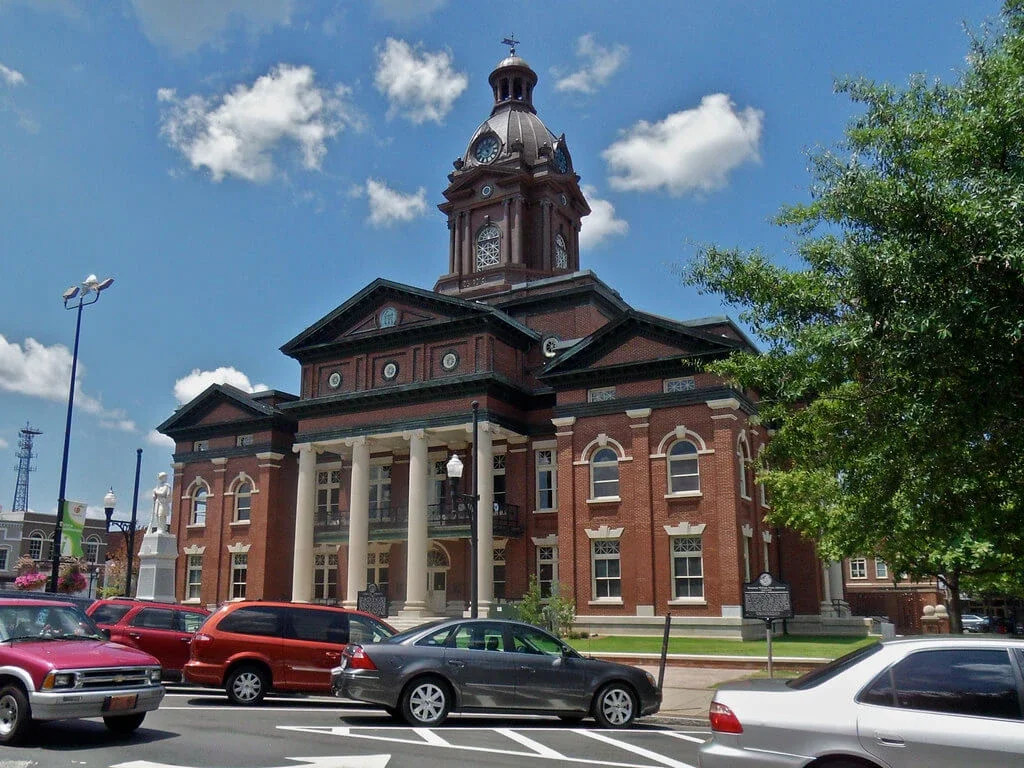
Newnan, Georgia, has earned its reputation as the City of Homes for good reason. Its tree-lined streets, beautiful front porches, historic architecture, and established neighborhoods create a character that is difficult to reproduce in newer developments. From stately Victorian residences to classic early twentieth-century homes, historic properties are an important part of what makes Newnan special.
For buyers searching for historic homes in Newnan, GA, the opportunity is about more than finding a beautiful property. It is about becoming part of the city's story. Owning an older home can offer architectural details, mature landscaping, established streetscapes, and a connection to the generations who helped shape Coweta County.
However, buying and maintaining a historic home also comes with responsibilities. Older electrical systems, aging plumbing, original windows, roof conditions, foundation concerns, and local design requirements all deserve careful attention. Before purchasing a historic property or beginning a renovation, buyers should understand the preservation process and the resources available in Georgia.
Whether you are considering a Victorian home near Downtown Newnan, a property in College-Temple, or a historic residence in one of the surrounding neighborhoods, this guide explains what to know about buying, restoring, and maintaining a historic home in Newnan, GA.
Why Newnan Is One of Georgia's Most Interesting Historic Home Markets
Newnan's history dates back to 1828, when the town was laid out using a grid pattern with a central public square. The historic downtown courthouse square remains one of the defining features of the community.
The city recognizes seven historic districts, each reflecting a different period and aspect of Newnan's development. These districts include residential neighborhoods, historic commercial buildings, industrial heritage, and important cultural landmarks.
Newnan's architecture includes several distinctive styles:
Antebellum architecture
Victorian homes
Queen Anne residences
Classical Revival homes
Neoclassical buildings
Italianate architecture
Early twentieth-century Craftsman and traditional homes
Plantation Plain and related regional house styles
Many historic homes feature details that are increasingly difficult to find in modern construction. These can include original hardwood floors, decorative millwork, tall ceilings, transom windows, pocket doors, fireplaces, wraparound porches, handcrafted staircases, and detailed exterior trim.
For buyers researching Newnan GA real estate, these architectural details can make historic properties especially appealing. They offer a different experience from purchasing a recently built home in a traditional subdivision.
Understanding Newnan's Seven Historic Districts
Before purchasing a historic home in Newnan, it helps to understand the different historic districts and what makes each one unique.
The City of Newnan identifies seven historic districts. Their histories and architectural characteristics are not identical, so buyers should research the specific area and property they are considering.
1. Downtown Historic District
Downtown Newnan was laid out in 1828 and features a nine-square-block plan with wide avenues and a central public square. The courthouse, completed in 1904, anchors the square.
The district includes historic commercial and civic architecture, religious structures, and important landmarks such as the former Carnegie Library.
Living near Downtown Newnan appeals to buyers who appreciate walkability, local restaurants, shopping, community events, and historic surroundings. Buyers should distinguish between residential properties near downtown and commercial buildings within the central business district because their permitted uses and renovation requirements may differ.
2. College-Temple Historic District
College-Temple is one of Newnan's most recognizable historic residential areas. The neighborhood dates to the city's early development and is known for its planned streets, mature trees, churches, educational history, and varied residential architecture.
The area offers a traditional neighborhood atmosphere, with homes that reflect different periods of construction. Buyers interested in established residential streets and architectural variety may want to include College-Temple in their search for historic homes in Newnan, GA.
3. Cole Town Historic District
Cole Town developed around the R.D. Cole Company, a major Newnan industrial business founded in 1854.
The company produced architectural woodwork, trusses, machinery, and water towers. Its influence can still be seen in the craftsmanship and architectural details found in homes throughout the district.
For buyers who appreciate original woodwork, historic craftsmanship, and neighborhoods connected to Newnan's industrial past, Cole Town is worth exploring.
4. Greenville-LaGrange Historic District
The Greenville-LaGrange district developed over more than a century along two major roadways. Its streets reflect several periods of residential growth.
Some of the older streets feature larger homes associated with prominent Newnan residents, while later sections include smaller and more modest residences.
The district also has connections to the Civil War. The antebellum home known as Buena Vista served as Confederate headquarters during the Battle of Brown's Mill in July 1864.
5. Newnan Cotton Mill and Mill Village
The Newnan Cotton Mill was established in 1888 near the railroad along East Washington Street. The surrounding Mill Village developed as a residential community for workers and their families.
The area remains an important example of an early twentieth-century Georgia mill village. The former mill building has since been converted into loft apartments.
This district offers a different type of historic character from Newnan's large Victorian homes. Its significance is tied to industry, working-class history, and the development of the local economy.
6. Chalk Level Historic District
Chalk Level is an important part of Newnan's African American history. Located southeast of downtown, the district developed in the late nineteenth century as African Americans established homes, businesses, schools, churches, and community institutions during segregation.
Its architecture includes a range of modest residential buildings from the late nineteenth through the mid-twentieth centuries.
The district was added to the Georgia Register of Historic Places in October 2025 and the National Register of Historic Places in January 2026.
For buyers and residents interested in Newnan's broader history, Chalk Level is an important reminder that historic preservation includes the stories of all the communities that helped build the city.
7. Platinum Point Historic District
Platinum Point includes a collection of fine residences built by prosperous Newnan citizens as the city expanded with increased automobile use.
The district includes examples of early twentieth-century Revival architecture. Its oldest identified building is an 1895 Queen Anne residence featuring asymmetrical design and a wraparound porch.
The neighborhood provides another example of the architectural variety that makes Newnan's historic housing stock distinctive.
The City of Newnan provides descriptions and a historic district map through its official website. Buyers should use the map and confirm the status of an individual property rather than relying only on a neighborhood name or a real estate listing description.
Buying a Historic Home in Newnan, GA: What to Look For
Buying a historic home can be rewarding, but the inspection process should be especially thorough. A beautiful exterior does not always reveal the condition of the home's major systems.
A traditional home inspection is an important starting point, but buyers may also need specialized evaluations depending on the property's age, construction, and renovation history.
1. Foundation and Structural Condition
Older homes may have brick foundations, crawl spaces, pier systems, or other construction methods that differ from modern homes.
During the inspection, pay attention to:
Cracks in foundation walls
Uneven or sloping floors
Doors and windows that do not close properly
Signs of previous foundation repairs
Moisture or standing water in crawl spaces
Deteriorated support posts or floor joists
Not every uneven floor or small crack indicates a serious structural problem. Historic homes naturally settle over time. However, buyers should have concerning conditions evaluated by a qualified structural professional.
2. Roof and Water Management
Water is one of the biggest threats to older homes. A roof leak that goes unnoticed can damage ceilings, insulation, wood framing, and interior finishes.
Ask about the roof's age, previous repairs, flashing, gutters, downspouts, and drainage around the foundation.
Newnan's Georgia climate brings periods of heavy rain, humidity, and warm weather. Proper water management is essential for protecting historic woodwork and masonry.
3. Electrical Systems
Some historic homes have been updated multiple times. A property may contain a mixture of original wiring, older electrical components, and newer improvements.
Have a qualified electrician evaluate the electrical panel, wiring, grounding, outlets, and overall capacity.
Do not assume that a recently renovated kitchen or bathroom means the entire electrical system has been modernized.
4. Plumbing and Sewer Lines
Older plumbing can include aging supply lines, outdated drain materials, and sewer connections that may need repair or replacement.
Buyers should consider:
Visible pipe condition
Water pressure
Signs of previous leaks
Water heater age
Drain performance
Sewer line condition
A sewer camera inspection can be particularly useful when the property has older underground piping.
5. Termites, Wood Rot, and Moisture
Georgia's climate makes termite protection and moisture control important considerations for any home, especially older wood-frame properties.
Look for signs of wood damage around porches, exterior trim, crawl spaces, window frames, and roof connections.
A qualified pest professional can evaluate termite activity and provide information about previous treatments or damage.
6. Windows, Doors, and Original Materials
Original windows, doors, trim, and floors are often some of the most attractive features of a historic home.
However, they may require maintenance or specialized restoration.
Before replacing original windows or removing historic materials, determine whether repairs are possible and whether the proposed work requires local approval.
Preserving original materials can maintain the home's architectural character while avoiding unnecessary replacement costs.
Understanding Historic Preservation Rules in Downtown Newnan
One of the most important steps before renovating a historic property is understanding which local rules apply to the specific address.
There is an important distinction between being listed in a National Register Historic District and being subject to local preservation regulations.
The National Register of Historic Places recognizes properties and districts for their historical significance. National Register listing by itself generally does not impose local restrictions on a private owner's property.
Local zoning overlays and other city regulations can, however, affect what work may be performed.
Main Street Newnan explains that the city has National Register historic districts that are not automatically regulatory local historic districts. It also identifies zoning overlays relating to historic properties, where major changes may require review and approval.
This means buyers should not assume that every historic home has identical restrictions.
What Is a Certificate of Appropriateness?
A Certificate of Appropriateness, commonly called a COA, is an approval documenting that proposed work meets the applicable historic design and local review requirements.
According to Main Street Newnan, a COA may be required for certain projects, including:
Major changes to a historic building's size, shape, or exterior appearance
Moving or changing doors and windows
Removing or altering significant architectural details
Demolishing or relocating a historic structure
Certain excavation and construction activities
Installing or changing structures, fences, steps, and other features within applicable downtown areas
Ordinary maintenance and repairs that preserve the existing appearance without materially changing the design, materials, or exterior appearance generally do not require a COA under the guidance published by Main Street Newnan.
However, building permits and other approvals may still be necessary depending on the project.
How Long Does the COA Process Take?
Main Street Newnan states that COA applications typically take about one month to process when the proposed design is appropriate.
That estimate should not be treated as a guarantee. Projects requiring revisions, additional documentation, or other approvals may take longer.
The best approach is to contact the city's Planning and Zoning Department before ordering materials, hiring contractors for exterior changes, or beginning demolition.
Proceeding without required approval can result in a stop-work order and potential fines.
Restoring a Historic Home Without Losing Its Character
The goal of historic restoration is not simply to make an older home look new. It is to preserve the features that give the property its identity while making it safe, functional, and comfortable for modern living.
The best restoration projects balance original craftsmanship with thoughtful improvements.
Preserve Original Hardwood Floors
Original hardwood floors are a major attraction in many historic homes. They may feature wood species, widths, and installation details that are difficult to reproduce today.
Before replacing damaged flooring, determine whether the existing wood can be repaired, patched, or refinished.
Even floors with wear, discoloration, or minor damage may have significant restoration potential.
Repair Original Windows When Possible
Historic windows often contribute to a home's proportions and exterior appearance.
Instead of immediately replacing them, ask a restoration professional whether the frames, sashes, glazing, and hardware can be repaired.
Weatherstripping, careful repairs, and appropriate storm-window solutions may improve comfort while retaining original materials.
Restore Porches and Exterior Trim
Porches are among the defining features of many Newnan historic homes.
Pay attention to porch columns, railings, flooring, stairs, ceiling materials, and roof connections. Damaged wood should be evaluated and repaired before deterioration spreads.
When replacement is necessary, matching the original profile and material helps preserve the home's appearance.
Protect Historic Masonry
Historic brick and stone require appropriate maintenance methods.
Avoid automatically painting unpainted historic brick or applying inappropriate coatings. Some treatments can trap moisture and contribute to deterioration.
Use professionals familiar with historic masonry when repointing brick or repairing damaged mortar. Mortar composition and application methods matter.
Update Kitchens and Bathrooms Thoughtfully
Modern kitchens and bathrooms are important to many buyers, but renovations do not need to erase the home's original character.
A thoughtful renovation may include modern appliances, improved plumbing, updated lighting, and better storage while preserving original doors, trim, floors, and room proportions.
Where possible, locate new mechanical systems and major alterations in areas that minimize damage to significant historic features.
Improve Energy Efficiency
Older homes can often be made more comfortable without replacing every original feature.
Potential improvements include:
Sealing air leaks
Adding appropriate attic insulation
Improving crawl-space moisture control
Maintaining heating and cooling equipment
Installing efficient lighting
Weatherstripping original doors and windows
Improving ventilation
Energy upgrades should be planned carefully so they do not create moisture problems or damage historic materials.
How Much Does It Cost to Restore a Historic Home in Newnan?
There is no universal restoration price for a historic home in Newnan, GA. The cost depends on the property's condition, size, construction, previous renovations, and the quality of materials selected.
A home that needs cosmetic updates will have a very different budget from a property requiring a new roof, foundation repairs, electrical replacement, plumbing improvements, and extensive exterior restoration.
The most useful approach is to separate the project into categories.
Immediate safety and structural work
This may include foundation stabilization, roof repairs, electrical improvements, termite treatment, and addressing water intrusion.
Essential system upgrades
Heating and cooling, plumbing, electrical service, insulation, and drainage may need attention.
Historic restoration
This category can include window restoration, porch repairs, woodwork, masonry, flooring, and architectural details.
Cosmetic improvements
Painting, decorating, landscaping, lighting, and kitchen or bathroom finishes can often be planned after essential work is complete.
Before purchasing, obtain contractor estimates for major concerns rather than relying on broad renovation averages.
It is also wise to maintain a contingency fund. Once walls, floors, or ceilings are opened, older homes can reveal conditions that were not visible during the initial inspection.
Georgia Historic Home Tax Credits and Financial Incentives
One of the most important reasons to research historic preservation before renovating is that eligible Georgia properties may qualify for state tax incentives.
Georgia's State Income Tax Credit Program for Rehabilitated Historic Property provides a state income tax credit equal to 25 percent of qualifying rehabilitation expenses.
For an eligible owner-occupied principal residence, the credit is capped at $100,000.
However, not every older home qualifies.
Eligibility generally requires that the property be listed in or eligible for the National Register of Historic Places, either individually or as part of a qualifying historic district. For owner-occupied historic homes, the program also allows qualifying properties that contribute to a local historic district or are locally designated as historic.
The project must meet Georgia Department of Community Affairs rehabilitation standards and the program's substantial rehabilitation requirements.
Important Steps Before Starting Renovation
If you believe a Newnan historic home may qualify, do not begin work assuming that the tax credit will automatically be available.
The Georgia Department of Community Affairs requires a certification process that includes information about the property, its historic significance, proposed work, photographs, and existing and proposed floor plans.
For properties relying on local historic district status, additional confirmation may be required.
The timing of applications and construction is important. Speak with the Georgia Historic Preservation Division or a qualified tax professional before starting work.
The program can be valuable, but eligibility and the final tax benefit depend on the property's designation, the scope of work, approved expenses, and applicable tax rules.
Georgia also offers a preferential property tax assessment program for certain qualifying rehabilitated historic properties. This program has separate eligibility and application requirements.
For current details, review the official Georgia Department of Community Affairs historic preservation tax incentive information.
Maintaining a Historic Home in Newnan's Climate
Owning a historic home is not a one-time renovation project. Regular maintenance is one of the best ways to protect the structure and prevent expensive repairs.
Newnan's climate makes moisture management especially important.
Maintain Gutters and Downspouts
Clean gutters regularly and make sure downspouts move water away from the foundation.
Overflowing gutters can damage siding, fascia boards, porch materials, and foundation areas.
Inspect the Roof and Flashing
Check for damaged shingles, loose flashing, leaks, and deteriorated roof connections.
Small roof issues can lead to major interior damage if left untreated.
Monitor Crawl-Space Conditions
Many older homes have crawl spaces that require regular attention.
Watch for standing water, excessive humidity, damaged vapor barriers, wood deterioration, and signs of pests.
Maintain Exterior Paint and Woodwork
Paint helps protect exterior wood from moisture and sun exposure.
Look for peeling paint, exposed wood, failed caulking, and deteriorating trim. Address problems before water enters the wood.
Schedule Termite Inspections
Regular pest inspections are a smart part of maintaining an older Georgia home.
Keep wood debris and unnecessary vegetation away from the foundation, and address moisture issues that can attract pests.
Preserve Landscaping and Drainage
Mature trees and established landscaping are part of the appeal of Newnan's historic neighborhoods. However, vegetation should be maintained so roots, branches, and drainage patterns do not damage the property.
Avoid allowing soil or mulch to accumulate against siding or wood components.
Is Buying a Historic Home in Newnan Right for You?
A historic home can be a wonderful fit for buyers who appreciate craftsmanship, architectural character, and established neighborhoods.
However, it is important to understand the advantages and challenges before making a purchase.
Benefits of Buying a Historic Home
Distinctive architecture: Historic homes often feature craftsmanship and design details that are difficult to find in newer construction.
Established neighborhoods: Mature trees, traditional street layouts, and long-standing community character can create an appealing residential environment.
Connection to local history: Owning a historic home allows buyers to become part of Newnan's architectural and cultural story.
Convenient location: Some historic neighborhoods are close to Downtown Newnan's restaurants, shops, community events, and local services.
Potential preservation incentives: Eligible properties and projects may qualify for Georgia rehabilitation tax incentives.
Challenges to Consider
Maintenance needs: Older materials and systems may require more frequent attention.
Renovation planning: Certain exterior changes may require additional city review.
Specialized contractors: Some restoration projects require professionals experienced with historic materials and techniques.
Unexpected expenses: Hidden conditions can increase project costs.
Modern layout differences: Older homes may have smaller closets, fewer bathrooms, less open floor space, or limited garage storage compared with newer homes.
The right property depends on your budget, lifestyle, renovation experience, and long-term plans.
Working With a Newnan GA Real Estate Agent Who Understands Historic Properties
Buying a historic home is different from purchasing a typical newer home. Buyers need to understand not only the property's market value but also its condition, renovation history, location, and potential preservation requirements.
A knowledgeable Newnan GA real estate agent can help buyers evaluate the property and identify important questions before making an offer.
When comparing historic homes, consider:
The home's age and documented history
Whether it contributes to a historic district
Applicable zoning overlays and local review requirements
Previous renovation permits and approvals
Roof, foundation, plumbing, and electrical condition
Historic features that may need specialized restoration
Potential tax incentive eligibility
Comparable home sales and neighborhood market conditions
Buyers should also understand that historic significance does not automatically mean a property is worth more than comparable homes. Condition, location, square footage, renovations, and buyer demand all influence market value.
For sellers, maintaining original features and documenting completed restoration work can help communicate a home's value. Receipts, permits, contractor information, photographs, and historical records can all be useful when marketing a historic property.
Frequently Asked Questions About Historic Homes in Newnan, GA
Does Newnan have historic districts?
Yes. The City of Newnan identifies seven historic districts: Downtown, College-Temple, Cole Town, Greenville-LaGrange, Newnan Cotton Mill and Mill Village, Chalk Level, and Platinum Point.
Can you renovate a historic home in Downtown Newnan?
Yes, but the requirements depend on the property's location, applicable zoning overlays, and the type of work being proposed. Certain exterior alterations and major changes may require a Certificate of Appropriateness and building permits.
Do all historic homes in Newnan require a Certificate of Appropriateness?
No. Requirements depend on the property's location and the proposed work. Ordinary maintenance that does not materially change the design, materials, or exterior appearance generally does not require a COA under Main Street Newnan's published guidance. Always confirm requirements with the city before starting a project.
Does being in a National Register Historic District restrict renovations?
National Register listing alone generally does not impose local restrictions on a private property owner's work. Local zoning overlays, local designation, building codes, and other city requirements may still apply.
Are there tax credits for restoring historic homes in Georgia?
Yes. Georgia offers a state income tax credit equal to 25 percent of qualifying rehabilitation expenses for eligible historic properties. The credit for an eligible owner-occupied principal residence is capped at $100,000. The property and rehabilitation project must meet specific requirements, and owners should obtain guidance before beginning work.
Are historic homes in Newnan expensive to maintain?
Maintenance costs depend on the home's age, size, materials, condition, and renovation history. A well-maintained historic home may need routine upkeep, while a property with aging systems or deferred maintenance may require significant investment.
What should I inspect before buying an older home?
Buyers should pay particular attention to the foundation, roof, electrical system, plumbing, sewer line, crawl space, termites, moisture, windows, and previous renovations. Additional specialist inspections may be appropriate depending on the property's condition.
Are historic homes a good investment in Newnan?
They can be, but buyers should evaluate each property individually. Location, condition, renovation costs, neighborhood sales, and long-term maintenance all influence investment potential. Historic designation by itself does not guarantee appreciation or resale value.
Discover Historic Newnan Real Estate With Local Guidance
Newnan's historic homes are more than beautiful buildings. They represent the craftsmanship, families, businesses, and community traditions that helped shape Coweta County.
From the Victorian residences and established streets of College-Temple to the industrial heritage of Cole Town and Mill Village, Newnan offers a variety of historic living experiences. Buyers who understand the preservation process can make more informed decisions, protect original architectural features, and plan renovations with greater confidence.
If you are considering buying a historic home in Newnan, GA, preparing to sell an older property, or researching the value of your current home, the right local real estate guidance can make a meaningful difference.
The Tim Stout Group with eXp Realty helps buyers and sellers navigate Newnan GA real estate and surrounding Coweta County communities. Whether you are looking for a historic home near Downtown Newnan, comparing established neighborhoods, evaluating a renovation opportunity, or preparing to list a distinctive property, our team is ready to help.
Call (678) 967-3367, visit https://fayetteandcowetahomes.com, or email tim@mybrokerage.com to discuss your real estate goals.
