

Restoring a 19th-Century Home in Newnan, GA: The Real Costs, Challenges, and Rewards of Historic Homeownership
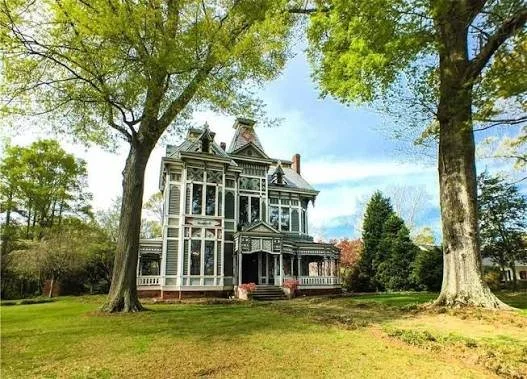
Imagine opening the front door of a historic Newnan home and stepping into a space filled with original hardwood floors, tall windows, detailed trim, and architectural features that tell a story no newly built house can replicate. Outside, mature trees shade the yard, covered porches invite you to slow down, and established streets reflect generations of local history.
For many buyers, owning a 19th-century home in Newnan, Georgia, is more than a real estate purchase. It is an opportunity to preserve a piece of the community while creating a home that reflects their own style and needs.
But what is it really like to restore and own a historic home?
The reality includes beautiful craftsmanship, distinctive architecture, and the satisfaction of preserving history. It can also include aging plumbing, outdated electrical systems, moisture problems, specialized contractors, preservation requirements, and renovation expenses that extend well beyond the original estimate.
Newnan is particularly interesting for historic-home buyers because the city has seven historic districts, with homes and buildings representing antebellum, Victorian, Neoclassical, Italianate, Classical Revival, and other architectural styles. Each district has its own history and character, making it important to research a property's specific location before purchasing.
Whether you are searching for historic homes for sale in Newnan, GA, considering a renovation project, or wondering if an older property is a smart long-term investment, this guide explains the rewards and realities of historic homeownership.
1. Why Newnan, GA, Is a Special Place to Own a Historic Home
Newnan is often associated with its historic architecture and its identity as the “City of Homes.” Unlike communities where older buildings have largely disappeared, Newnan retains residential areas that reflect the city's development across different periods.
The city's official Historic Districts page describes seven historic districts containing residential, commercial, and community buildings with architectural and cultural significance.
For buyers, that means historic properties are not all alike. Some homes are grand and architecturally elaborate, while others reflect more modest residential traditions. The age, size, condition, and historical significance of a home can vary considerably—even between properties on the same street.
Architectural character you won't find in every modern home
Depending on the property, a 19th-century Newnan home may feature:
Original heart-pine or other historic wood flooring.
Tall ceilings and generously sized windows.
Decorative mantels, moldings, and woodwork.
Front porches and traditional entryways.
Historic siding, masonry, or distinctive rooflines.
Traditional room arrangements and period architectural details.
Mature landscaping and established streetscapes.
These features can give a home a sense of individuality that is difficult to reproduce in new construction.
However, buyers should distinguish between original features that remain intact and elements that have been replaced or altered over time. A house may appear historic from the street while having undergone substantial changes inside.
Before making an offer, ask about the property's renovation history, permits, available documentation, and any known changes to its original structure.
Historic neighborhoods have stories worth understanding
Newnan's historic districts also reflect the city's social and economic development. The Chalk Level Historic District, for example, documents an important late-19th-century African American community that developed businesses, schools, churches, and other institutions during segregation.
The city's historic neighborhoods are therefore more than collections of old houses. They are part of Newnan's broader architectural and cultural heritage.
For buyers who appreciate history, learning about the particular neighborhood and its original residents can make homeownership more meaningful.
2. What Is It Really Like to Restore a 19th-Century Home?
Restoring a historic home is often a process of balancing preservation with modern living. You want to protect what makes the property special while ensuring it is safe, comfortable, and functional.
The first step is understanding that an older home may have been modified several times throughout its life. Some changes may have improved the building, while others may have concealed problems or damaged historic materials.
A thoughtful restoration begins with investigation, not demolition.
Start with the structure and water management
Before choosing paint colors or planning a kitchen renovation, have qualified professionals assess the home's structural condition and water-management systems.
Important areas include:
Foundation movement, settlement, and drainage.
Roof condition, flashing, gutters, and downspouts.
Wood rot around windows, doors, porches, and exterior trim.
Crawl-space moisture and ventilation.
Signs of termite or other wood-destroying insect activity.
Masonry deterioration and damaged mortar.
Water intrusion around chimneys and roof intersections.
Moisture deserves special attention in older houses. Water entering through a roof, poorly directed downspouts, or damaged exterior woodwork can cause deterioration that becomes more expensive the longer it goes unaddressed.
A qualified inspector may recommend additional evaluation by a structural engineer, roofer, pest specialist, or preservation contractor, depending on the findings.
Expect aging electrical, plumbing, and HVAC systems
A 19th-century home may have experienced multiple generations of mechanical upgrades. One room may have been remodeled recently while another still contains older wiring, plumbing, or heating and cooling equipment.
Ask qualified professionals to evaluate:
Electrical panel capacity, wiring condition, grounding, and safety.
Supply and drain plumbing, including old or incompatible materials.
Heating and cooling equipment and ductwork.
Insulation, ventilation, and air leakage.
Water heater condition and location.
Smoke and carbon monoxide alarms.
Fire safety and applicable building-code requirements.
Modernizing these systems can improve comfort and reliability, but routing new infrastructure through a historic building requires careful planning. Poorly planned work may damage original plaster, woodwork, or other features that would be expensive to reproduce.
The National Park Service offers useful guidance on rehabilitating historic buildings, including recommendations for retaining historic materials while making buildings suitable for contemporary use.
Lead paint and asbestos require careful handling
Older homes may contain hazardous materials, including lead-based paint and asbestos-containing products. Their presence cannot be determined reliably from a property's appearance alone.
If you plan to disturb old paint, flooring, insulation, siding, or other materials, seek appropriate testing and professional advice before work begins.
The National Park Service explains key issues involving hazardous materials and historic-building rehabilitation.
The goal is not simply to make an old house look new. It is to make the home safe while protecting significant historic features wherever practical.
3. Historic District Rules in Newnan: What Buyers Need to Know
One of the most important differences between buying a historic home and buying a newer property is understanding whether local preservation rules apply.
Not every older home is automatically subject to the same historic preservation requirements. The property's location, historic designation, and applicable local regulations determine which approvals may be necessary.
Before planning a major exterior renovation, confirm the property's designation and applicable rules with the City of Newnan.
What is a Certificate of Appropriateness?
Newnan's zoning ordinance provides for historic preservation review of certain designated properties and districts. A Certificate of Appropriateness may be required before making material changes to the exterior appearance of a designated historic property, particularly features facing a public right-of-way.
The city's planning process also includes review of certain exterior renovation projects and new construction in historic areas.
Depending on the property's status and the proposed work, projects involving windows, siding, porches, roofing, additions, or other visible features may require review.
Start with the city's Historic Districts information and Applications and Permits page.
What does this mean for your renovation plans?
Imagine buying a home with original wood windows and deciding to replace them with modern vinyl windows. The new units might be more convenient to maintain, but they could change the building's appearance and may not meet the applicable preservation requirements.
The same issue can arise when changing porch details, removing historic siding, adding a garage, modifying a front entrance, or building an addition.
The best approach is to speak with city staff before hiring a contractor or ordering materials.
Ask specifically:
Is the property within a locally designated historic district?
Is the individual building designated or considered a contributing historic resource?
Which proposed exterior changes require review?
What drawings, photographs, or specifications must accompany an application?
What permits are required in addition to preservation approval?
Are there design guidelines or material requirements that apply?
Do not assume that a contractor's recommendation automatically satisfies historic-district rules. Confirm requirements directly with the city.
4. How Much Does It Cost to Restore a Historic Home in Newnan?
One of the most common questions buyers ask is how much it costs to restore a 19th-century house.
There is no reliable single price for every historic renovation. The cost depends on the property's size, condition, previous maintenance, structural needs, material choices, accessibility goals, and the scope of the proposed work.
A house that needs paint and minor repairs is a very different project from one requiring a new roof, extensive electrical work, foundation repairs, plumbing replacement, and a complete kitchen renovation.
Build a realistic renovation budget
Rather than starting with a cosmetic wish list, divide the work into categories.
Renovation categoryWhat to investigateStructure and foundationSettlement, drainage, framing, and structural repairsRoof and exteriorRoofing, gutters, siding, masonry, windows, and porchesElectrical and plumbingSafety upgrades, service capacity, pipes, drains, and fixturesHeating and coolingEquipment replacement, ductwork, ventilation, and insulationInterior restorationFloors, plaster, trim, doors, cabinetry, and paintKitchen and bathroomsModern functionality, plumbing changes, and preservation-sensitive designProfessional servicesInspections, engineers, architects, preservation specialists, and permitsContingencyAdditional work uncovered after opening walls or removing finishes
Obtain written estimates from contractors with experience working on older buildings. Ask them to distinguish essential repairs from optional improvements and identify assumptions that could affect the final price.
It is also wise to maintain a contingency reserve. Hidden deterioration can emerge during demolition, especially when previous repairs have concealed water damage or outdated systems.
Prioritize the work in the right order
For most restoration projects, the practical sequence is:
Address immediate safety issues.
Stop water intrusion and correct drainage problems.
Stabilize the structure.
Repair or replace failing mechanical systems.
Restore exterior features and protect historic materials.
Complete interior improvements and cosmetic details.
This order helps prevent newly completed finishes from being damaged by unresolved structural or moisture issues.
It also helps buyers make informed decisions about whether a property is financially realistic before committing to a full restoration.
5. Can You Receive Historic Home Tax Credits in Georgia?
Potential tax incentives are worth researching when buying or restoring an eligible historic property. However, these programs have detailed requirements, and not every older home qualifies.
Georgia's Department of Community Affairs administers historic rehabilitation incentive programs. Depending on the property's designation, use, and rehabilitation plan, an owner may qualify for a state income tax credit or preferential property tax assessment.
Georgia's historic rehabilitation income tax credit
The state program can provide a tax credit equal to 25% of qualifying rehabilitation expenses, subject to program rules and applicable caps. For an eligible principal residence, the credit is capped at $100,000.
Eligibility depends on factors such as the property's historic status, the scope of the rehabilitation, certification requirements, and compliance with the relevant rehabilitation standards. A property's age alone does not establish eligibility.
The program's requirements and application procedures should be reviewed before work begins. The state may require a preliminary application, project documentation, photographs, proposed plans, and final documentation.
See the Georgia Department of Community Affairs' State Income Tax Credit Program.
Preferential property tax assessment
Georgia also offers a preferential property tax assessment program for qualifying historic properties. Eligibility depends on the program's requirements, including the amount of rehabilitation and the property's qualifying status.
Because this program has separate conditions from the income tax credit, do not assume that qualifying for one automatically means qualifying for the other.
Visit the state's Historic Preservation Tax Incentives page to review current program details and application guidance.
Important: Consult the Georgia Department of Community Affairs and a qualified tax professional before relying on an incentive in your purchase or renovation budget. Do not begin work on the assumption that the project will be approved retroactively.
6. The Rewards of Owning a Historic Newnan Home
Despite the challenges, many homeowners believe historic properties offer benefits that are difficult to measure in dollars alone.
Architectural individuality
Historic homes often have distinctive details, proportions, and craftsmanship that give them a strong sense of identity. Restoring original features can preserve that character while making the property more functional.
Established surroundings
Many historic neighborhoods have mature trees, established streets, traditional porches, and a recognizable relationship to downtown. For buyers who value a sense of place, these qualities can be as important as the house itself.
A connection to local history
Owning an older home can create an opportunity to learn about Newnan's development, architectural traditions, and previous residents. Historic properties can serve as tangible links to the people and events that shaped the community.
A chance to customize thoughtfully
A restoration lets you decide how to combine historic features with modern needs. You may preserve original floors and trim while updating the kitchen, improving lighting, adding better insulation, or reworking a bathroom.
The key is to make changes that support comfortable living without unnecessarily sacrificing the features that make the house distinctive.
7. Do Historic Homes Hold Their Value in Newnan?
Historic homes can attract buyers who appreciate architectural character, location, and established neighborhoods. However, historic status does not guarantee higher resale value or faster appreciation.
A property's market performance depends on its condition, size, location, layout, renovation quality, maintenance history, and the availability of comparable homes.
A carefully restored property with documented improvements may appeal to a different buyer than a similar home requiring major structural work. On the other hand, an expensive renovation does not guarantee that the owner will recover every dollar spent.
How to evaluate the real estate market
When assessing a historic home in Newnan, compare properties with similar characteristics wherever possible.
Look at:
Recent closed sales rather than asking prices alone.
Similar home sizes, lot sizes, and locations.
The property's current condition and renovation quality.
Whether major systems have been updated.
Historic district designation and any applicable restrictions.
The cost of repairs that a buyer may need to complete.
The amount of time similar properties take to sell.
Historic homes can be a distinct segment of the Newnan GA real estate market, and the number of comparable sales may be limited. A few transactions should not be treated as proof of a broad price trend.
A local real estate professional familiar with Newnan's historic neighborhoods can help estimate market value using relevant comparables rather than applying citywide averages to a unique property.
8. Is a Historic Home Right for You?
Before purchasing a 19th-century house, consider your tolerance for maintenance, renovation uncertainty, and the possibility that some projects will take longer than expected.
A historic home may be a good fit if you value architecture, enjoy learning about older buildings, and are prepared to plan maintenance carefully.
It may be less suitable if you need a turnkey home, want to avoid major repairs, have a very limited renovation budget, or expect every project to be completed quickly.
Questions to ask before buying
Use this checklist when evaluating a property:
Has the home been professionally inspected?
Are there signs of structural movement or persistent moisture?
What is known about the roof, electrical system, plumbing, and HVAC?
Have any previous renovations been permitted where required?
Is the property subject to historic district requirements?
What work will require preservation review or building permits?
Are lead-based paint or asbestos assessments appropriate?
Are there historic tax incentives for which the property may qualify?
What are the estimated costs of essential repairs?
Does the property fit your long-term maintenance and financial plans?
You should also consider the practical details of daily living, including parking, storage, yard maintenance, stairs, energy efficiency, and the layout of kitchens and bathrooms.
A beautiful historic home can still be the wrong purchase if it does not fit your needs or your budget.
9. How to Find Historic Homes for Sale in Newnan, GA
If you are ready to explore historic homes, start by identifying the features that matter most to you.
Some buyers want a fully renovated property with historic character and modern systems. Others are comfortable taking on a phased renovation. Still others want a property with architectural potential but need to understand the likely costs before making an offer.
A focused search can help you compare these options.
Work with a local real estate expert
An experienced Newnan real estate agent can help you identify available historic properties, review comparable sales, and understand the differences between homes that have already been renovated and those requiring additional investment.
Your agent can also help coordinate due diligence with inspectors, contractors, preservation specialists, and other professionals. For a historic home, this coordination can be particularly valuable because the purchase price is only one part of the financial decision.
If you are selling a home to fund the purchase, you may also need a plan for timing, financing, and managing renovation expenses after closing.
The objective is not simply to find an old house. It is to find the right historic property at a price and condition that make sense for your plans.
Final Thoughts: Is Restoring a 19th-Century Home in Newnan Worth It?
Restoring and owning a 19th-century home in Newnan, GA, can be deeply rewarding. Historic architecture, established neighborhoods, and the opportunity to preserve a piece of local history make these properties distinctive within the broader Newnan real estate market.
But successful historic homeownership begins with realistic expectations. Older homes may require specialized inspections, careful budgeting, preservation review, and ongoing maintenance. Tax incentives may be available for eligible projects, but qualification and approval should be confirmed before you depend on them financially.
If you are considering buying a historic home in Newnan, start by researching the property's history and designation, arranging a thorough inspection, and obtaining estimates for essential repairs. Then compare the total cost of ownership with your budget and long-term goals.
Whether you're searching for a move-in-ready historic home, planning a major restoration, or preparing to sell a property in one of Newnan's established neighborhoods, the right real estate guidance can help you make a confident decision.
Ready to buy or sell a historic home in Newnan, GA? Trust the local real estate expertise of Tim Stout Group with eXp Realty. We help buyers and sellers navigate Newnan's real estate market, evaluate property options, and plan their next move throughout Newnan and the surrounding communities.
Contact Tim Stout Group with eXp Realty:
Phone: (678) 967-3367
Email: tim@mybrokerage.com
Website: fayetteandcowetahomes.com
